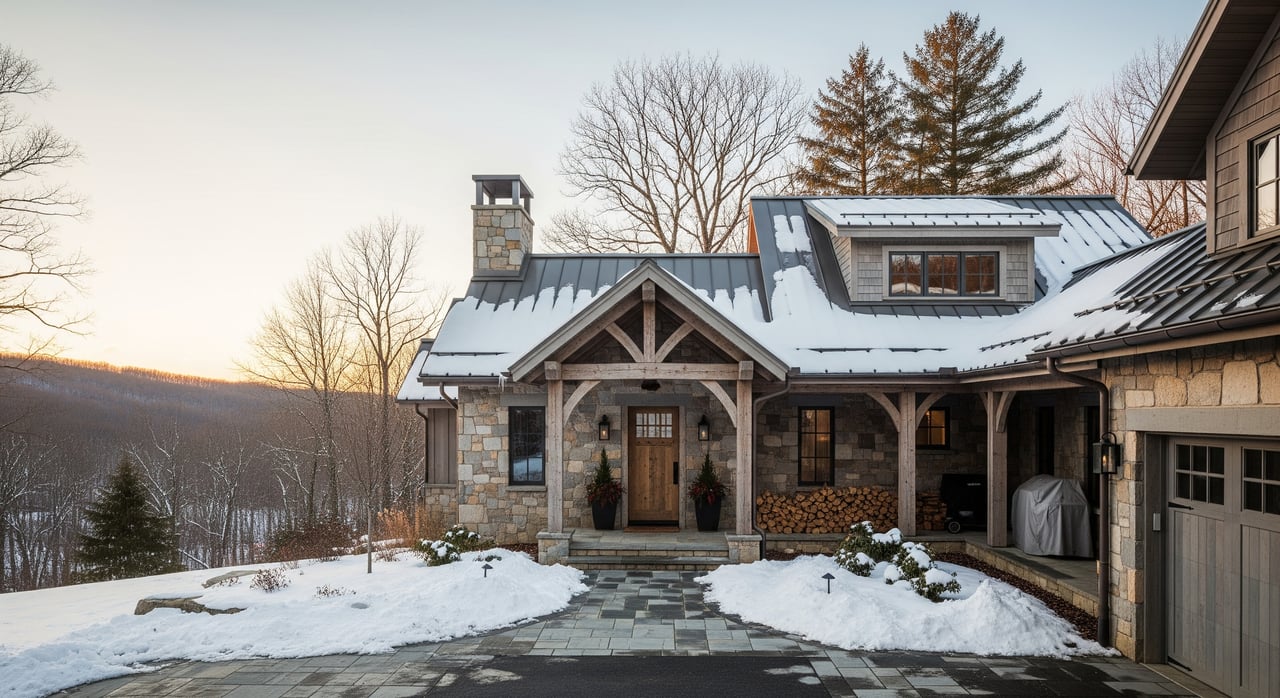
Winter in Saylorsburg can turn fast, with cold snaps, freeze–thaw cycles, and the occasional nor’easter dropping heavy snow. As a homeowner, you want to avoid surprise repairs and keep your home comfortable and safe all season. This guide gives you a practical, local checklist to prepare your property and protect your investment. Let’s dive in.
Saylorsburg winter at a glance
Saylorsburg sits in the Poconos, where winter brings persistent cold, snow, and ice. Regional climate summaries highlight snowy months and storm potential that can stress roofs, trees, and utilities. For context on typical patterns, review the NWS Mount Pocono climate summaries. See recent NWS climate notes for Mount Pocono.
Power outages can happen during winter storms, so plan ahead with supplies, safe heating, and communication backups. For a quick overview, read the Ready.gov winter preparedness guidance.
Exterior and yard checklist
Inspect roof and attic
- What to do: Look for missing or damaged shingles and check flashing around chimneys and vents. In the attic, check insulation depth and clear ventilation paths.
- Why it matters: Proper attic air sealing, insulation, and venting reduce heat loss and help prevent ice dams. Review the building-science guidance on ice dams for best practices.
- When to do it: Late fall, then after major storms.
Clean gutters and downspouts
- What to do: Clear leaves and debris, and make sure downspouts send water away from the foundation.
- Why it matters: Clogged gutters contribute to ice dams and water intrusion along eaves.
- When to do it: Before regular freezes and after heavy leaf drop.
Seal windows and doors
- What to do: Add weatherstripping, caulk gaps, and close unused vents. Consider an energy checkup.
- Why it matters: Air leaks drive up heating costs and reduce comfort. See the DOE winter energy-saving tips.
- When to do it: Late fall, with touch-ups as needed.
Prune risky limbs
- What to do: Remove dead or damaged branches and any limbs that overhang the house, driveway, or service lines. Hire a certified arborist for large work.
- Why it matters: Snow and ice can bring down weak branches and cause damage or outages.
- When to do it: Late fall for planned pruning; remove obvious hazards anytime.
Prep faucets, walkways, and tools
- What to do: Shut off and insulate outdoor faucets, drain irrigation, and store hoses. Check walkways and keep pet and plant safety in mind when choosing ice melt.
- Why it matters: Prevents frozen pipes, slips, and surface damage.
- When to do it: Before the first hard freeze.
Heat, fireplace, and indoor safety
Service your heating system
- What to do: Schedule annual maintenance for your furnace, boiler, or heat pump; change filters and confirm thermostat settings.
- Why it matters: Regular service improves efficiency and reduces breakdown risk in cold spells. Guidance aligns with DOE best practices in all climates.
- When to do it: Late fall.
Inspect and sweep the chimney
- What to do: Have a professional inspect the chimney and flue and sweep if needed; confirm the chimney cap is intact.
- Why it matters: Creosote buildup and animal nests create fire and carbon monoxide hazards. See chimney inspection recommendations from CSIA.
- When to do it: At least once per year, before frequent use.
Test CO and smoke alarms
- What to do: Install CO alarms on each level and outside sleeping areas, and test both CO and smoke alarms monthly.
- Why it matters: Combustion appliances, fireplaces, and generators raise CO risk in winter. Review CO alarm placement best practices.
- When to do it: Now, then monthly.
Prepare a safe backup-power plan
- What to do: If using a generator, keep it outdoors and far from doors and windows, and consider a transfer switch installed by a licensed electrician.
- Why it matters: Improper generator use can be deadly. Follow FEMA-backed generator safety guidance and keep CO alarms working. For general storm prep, consult Ready.gov.
- When to do it: Before the first major storm.
Water, wells, septic, and pipes
Protect private wells
- What to do: Insulate exposed well components, protect the well cap, and test water if flooding or contamination is suspected.
- Why it matters: Winter storms and runoff can affect water quality. Learn more from the PA DEP on well care and contaminants.
- When to do it: Late fall and after severe weather.
Care for septic systems
- What to do: Follow pump-out schedules, avoid harmful chemicals, and keep vehicles and heavy equipment off the drainfield.
- Why it matters: Freezing and excess water can stress on-lot systems. See PA DEP septic system basics.
- When to do it: Year-round, with added care in winter.
Test sump pump and drainage
- What to do: Clean the pit and float, test the pump, and confirm the discharge line drains away from the foundation. Consider a battery backup.
- Why it matters: Rain-on-snow and spring thaw can lead to basement flooding, and outages can stop pumps. Ready.gov offers general outage planning guidance.
- When to do it: Late fall and before major storms.
Prevent frozen interior pipes
- What to do: Insulate pipes in unheated spaces, keep interior heat steady, open sink cabinets on cold nights, and know how to shut off the main water line.
- Why it matters: A burst pipe is one of the costliest winter emergencies.
- When to do it: Before deep cold arrives.
Snow plan and local rules
Saylorsburg spans multiple townships, including Polk, Hamilton, and Ross. Rules differ by township, so check yours for sidewalk clearing, parking during storms, and where snow can be placed. As an example, the Polk Township code on snow disposal and parking prohibits pushing snow into the public right-of-way and restricts parking in the road cartway during and shortly after storms.
Simple steps to stay compliant and safe:
- Move vehicles off the road before plows arrive.
- Pile snow on your property, not into the street or right-of-way.
- Clear sidewalks within the time your township requires.
- Keep hydrants and vent pipes visible and accessible.
Quick 10-point checklist
- Service heating system and replace filters.
- Inspect roof, attic insulation, and ventilation.
- Clean gutters and extend downspouts.
- Prune hazardous branches near structures and driveways.
- Shut off and insulate exterior faucets; store hoses.
- Seal air leaks around doors, windows, and penetrations.
- Schedule a chimney inspection and sweep if needed.
- Test CO and smoke alarms; stock fresh batteries.
- Test sump pump and set up a battery backup.
- Line up snow removal and review township rules.
When to schedule and who to call
Book exterior and mechanical work in late fall to beat the first hard freezes and the contractor rush. If you plan upgrades like air sealing, added insulation, or smart thermostats, explore incentives and tips from the DOE to lower winter bills and improve comfort. Staying ahead on maintenance protects your home value and prevents sale-time surprises if you plan to list in the spring.
If you want local recommendations or you’re timing a sale or purchase around winter, connect with Kelly Realty Group. Our team knows the Poconos market and can help you move forward with confidence.
FAQs
How often should a chimney be inspected in Saylorsburg?
- The CSIA cites NFPA 211 guidance to inspect at least once per year and sweep or repair as needed; see the CSIA FAQ.
What is the best way to prevent ice dams on Pocono homes?
- Seal attic air leaks, add insulation to recommended levels, and ensure balanced ventilation; review this building-science overview of ice dam prevention.
How do I use a portable generator safely during a winter outage?
- Run it outdoors, well away from doors and windows, never in a garage, and install working CO alarms; follow this FEMA-backed generator safety guidance.
What should I do if my private well water changes after a storm?
- Stop using the water and arrange testing; the PA DEP explains well contaminants and next steps.