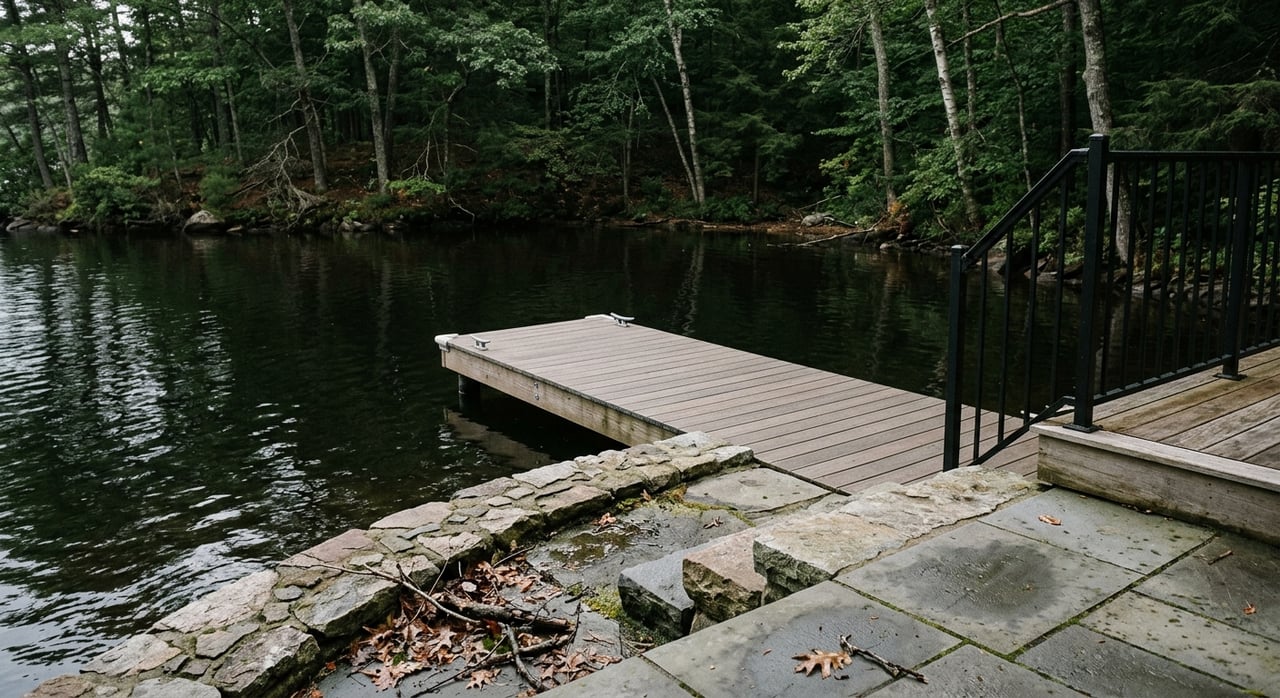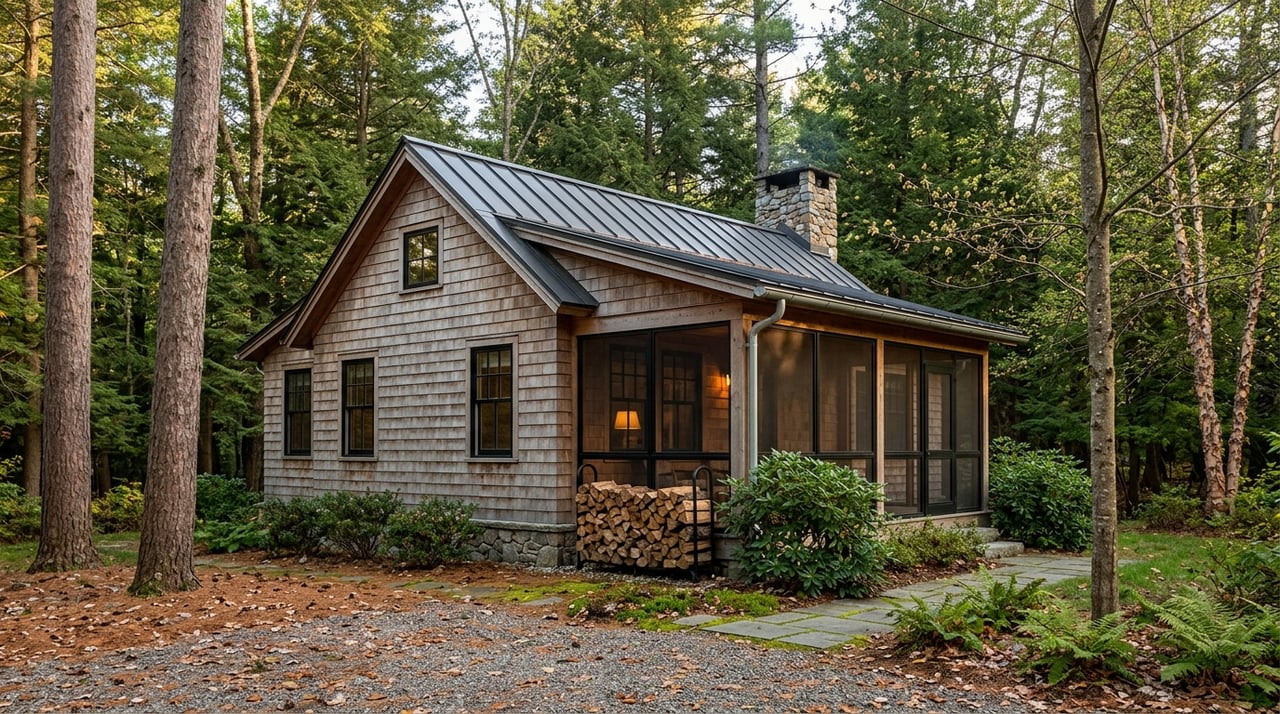
Mist hangs over the Delaware River as you sip coffee on a quiet deck, the only sound a distant cascade from Dingmans Falls. If this scene feels like your speed, you’re not alone. Buyers are drawn to Dingmans Ferry for a cabin lifestyle that blends wooded privacy with easy access to big-nature experiences. In this guide, you’ll learn what day-to-day cabin life looks like, how to make the most of the river and trails, and the smart checks to run before you buy. Let’s dive in.
Why Dingmans Ferry attracts cabin buyers
River and national park at your door
Dingmans Ferry sits beside the Delaware Water Gap National Recreation Area, a protected corridor with waterfalls, beaches, trails, and river access. The park’s scale and variety make it a multi-day playground you can tap into any time. You can plan hikes to waterfalls, bird along quiet creeks, or launch a kayak at public access points. Start with the National Park Service’s overview of the Delaware Water Gap National Recreation Area and the Dingmans Falls boardwalk trail and visitor center for current hours and conditions.
Easy access to New Jersey
A local quirk adds to the area’s charm. The historic Dingmans Bridge connects Pennsylvania to New Jersey and is privately owned with a posted toll. It’s a convenient crossing for errands or weekend guests. Always confirm current rates and any vehicle restrictions on the Dingmans Bridge operator’s site.
What cabin life feels like
Home styles and settings
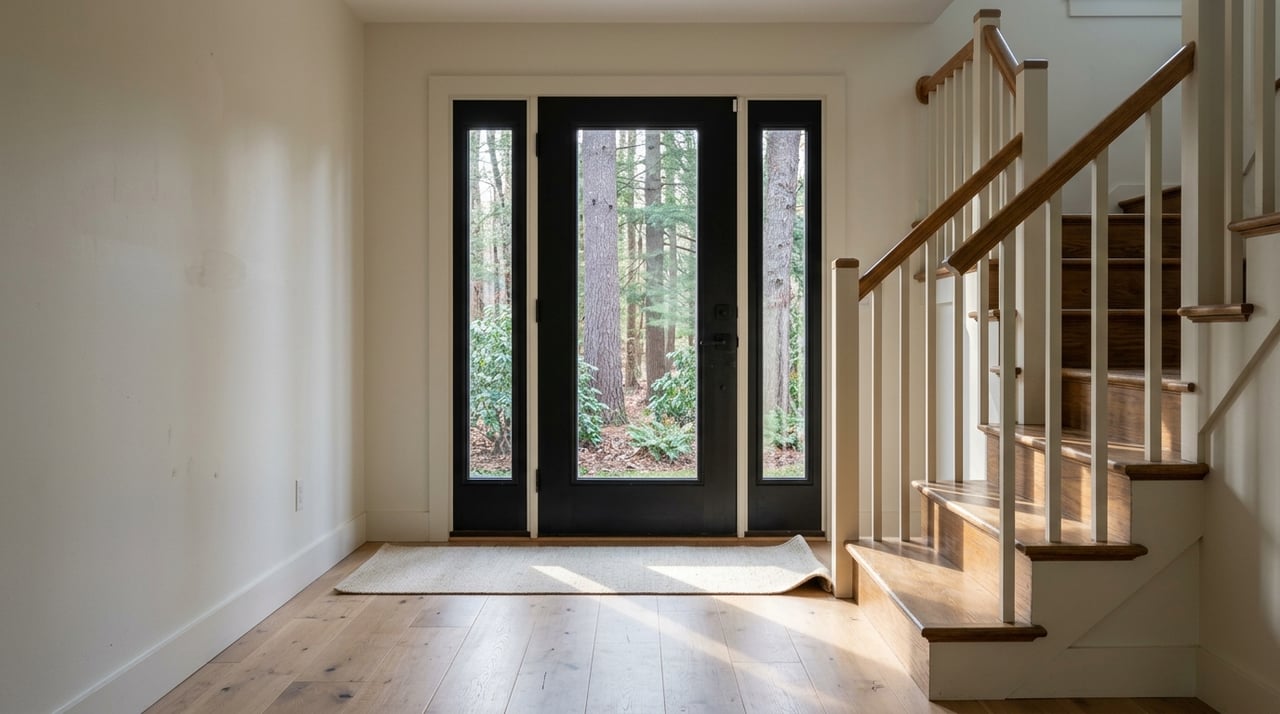
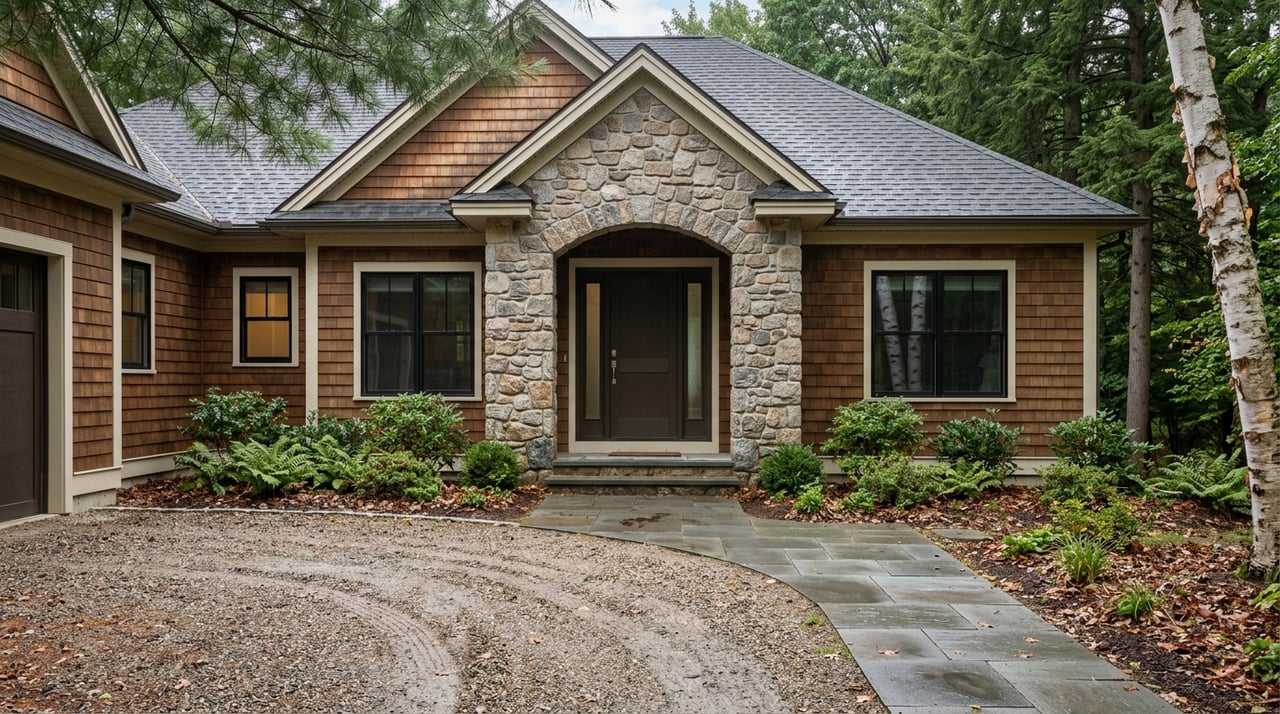
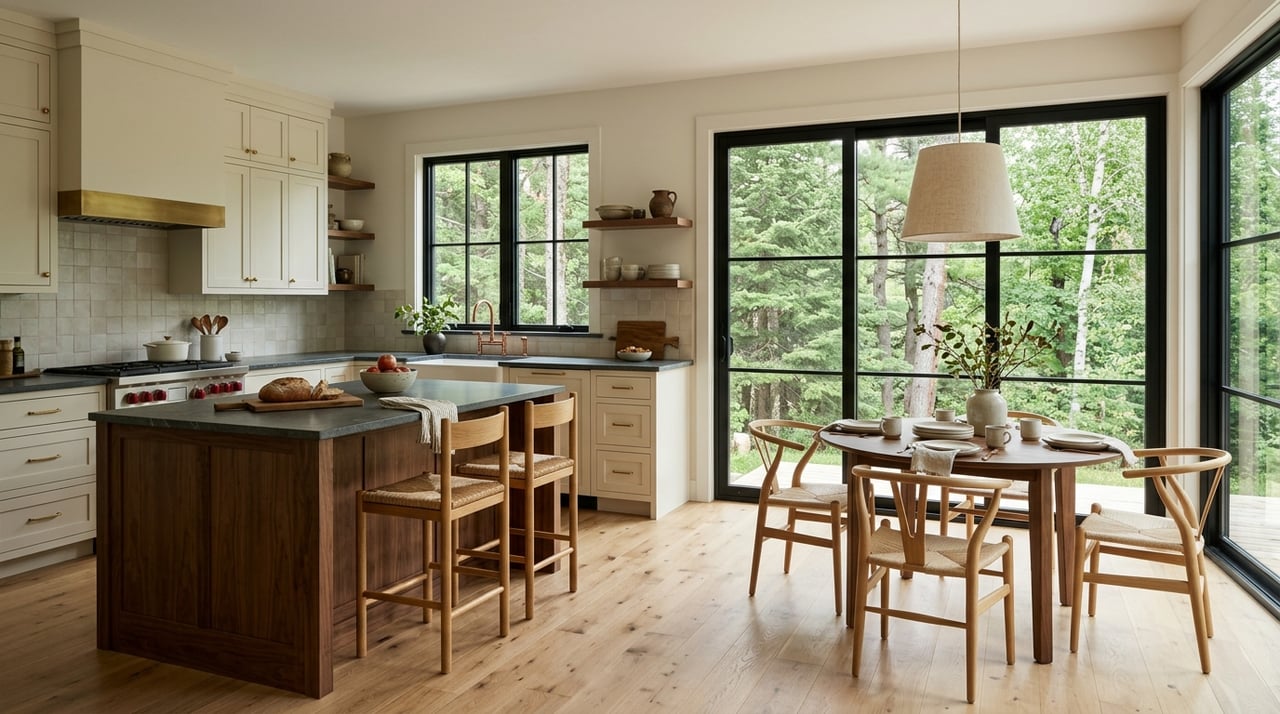
You’ll see a mix of rustic wood-frame cabins, updated cottages, and year-round homes tucked into the trees. Many started as seasonal getaways and were later winterized or expanded. Expect varied layouts, cozy gathering spaces, and outdoor living focused on decks, fire pits, and water or woods views.
Communities, private roads, and HOAs
Lake and cabin communities are common. Many have private roads and shared amenities that are maintained by an association. That can mean annual dues for plowing, road repairs, and common-area upkeep. Before you make an offer, ask for HOA bylaws, road maintenance agreements, and the history of any special assessments. Short-term rental rules can vary by township and community, so verify both municipal zoning and any recorded deed restrictions.
A day on the Delaware: what to do
Use this simple plan to sample the lifestyle:
- Morning: Walk the boardwalk to the base of Dingmans Falls. The NPS updates hours and parking guidance at the Dingmans Falls visitor page.
- Midday: Put in at a local river access for an easy paddle or tubing float. The Delaware River Water Trail outlines common routes and launch points.
- Afternoon: Rent kayaks or book a shuttle with a local outfitter like Kittatinny Canoes to keep logistics simple.
- Evening: Grill on your deck and watch the woods go quiet. In fall, the foliage can be spectacular. In winter, bring snowshoes and embrace the hush.
Always check the NPS park page for the DWGNRA before you head out. Trail access, parking, and amenities can shift with seasons or maintenance.
Before you buy: quick checklist
Use this list to protect your budget and your peace of mind. Your agent can help coordinate many of these steps.
Flood risk and insurance
- River and low-lying lots may sit in FEMA floodplains. Lenders can require flood insurance for high-risk zones. Look up the address on the FEMA Flood Map Service Center. Ask for any elevation certificate and the seller’s flood-claim history.
Private well and septic
- Many cabins use private wells and on-lot septic. Have the well tested for total coliform/E. coli and nitrate, and re-test after any flooding. The Pike County Conservation District posts homeowner guidance on private wells and septic care.
- For septic systems, request pumping records and any permits or inspection reports. Pennsylvania’s Act 537 governs on-lot sewage planning and repairs. Review homeowner guidance from the PA DEP Act 537 program. Typical advice is to pump every 3–5 years depending on use.
Road access and winter care
- Confirm whether access roads and your driveway are public or private. If private, get the road maintenance agreement, snow-plowing plan, and any reserve funds or assessment history. Make sure emergency vehicles can reach the property year-round.
Utilities, broadband, and cell coverage
- Internet and mobile service can vary by address. Check actual providers and speeds for the specific property. If you work remotely, confirm service during your inspection period.
Environmental tests and indoor air
- Pennsylvania has areas of elevated radon potential. Test during your inspection and budget for mitigation if needed. Review guidance on the EPA radon map and resources.
Title, deed, and HOA review
- Ask for copies of recorded covenants, deed restrictions, and HOA bylaws. Rules can affect renovations, rental plans, and use of private roads or amenities.
Permits and renovation planning
- Planning to expand a small cabin? Confirm setbacks, building permits, and whether septic upgrades are required. Start with Delaware Township and the local Sewage Enforcement Officer. The PA DEP Act 537 guidance above is a helpful primer.
Emergency services and healthcare
- If you plan to live here full-time, check ambulance and volunteer fire response, plus the nearest hospital or urgent care. Delaware Township maintains local contacts and notices on its municipal site.
Year-round comfort: what to confirm
- Heating and insulation. Verify that the system and insulation meet your four-season plans.
- Water management. Look for proper grading, gutters, and drainage, especially on wooded or sloped lots.
- Vehicle readiness. If you have a steep drive or private road, plan for snow tires, a 4WD vehicle, or a contracted plow.
Partner with a local team that knows cabins
Cabin purchases have moving parts you do not see in suburban neighborhoods. Wells, septic capacity, private roads, flood maps, and HOA covenants all shape your costs and comfort. You deserve a guide who handles those details every day. Our team pairs deep Poconos expertise with a process-focused approach to buyer representation, vacation and second-home purchases, land, and relocations. We coordinate the right local inspectors, keep your due diligence on track, and negotiate with clear data so you can buy with confidence.
Ready to explore cabins in Dingmans Ferry and nearby Pocono communities? Connect with Kelly Realty Group to schedule your free Poconos market consultation.
FAQs
Can you live in a Dingmans Ferry cabin year-round?
- Many cabins are winterized and used year-round, but confirm insulation, heating, septic capacity, and reliable winter road access before you commit.
Do you need a septic and well inspection for a cabin purchase?
- Yes. Test the private well and have the septic inspected by qualified pros; ask for pumping records and permits, and follow local and state guidance on system care.
Will you need flood insurance for a river-area cabin?
- If the property is in a FEMA high-risk zone or your lender requires it, you will; even outside mapped zones, verify risk using FEMA maps and seller claim history.
Is the Dingmans Bridge toll-free for residents?
- No. The bridge is privately operated with posted tolls and restrictions; check the operator’s site for current rates and vehicle rules.