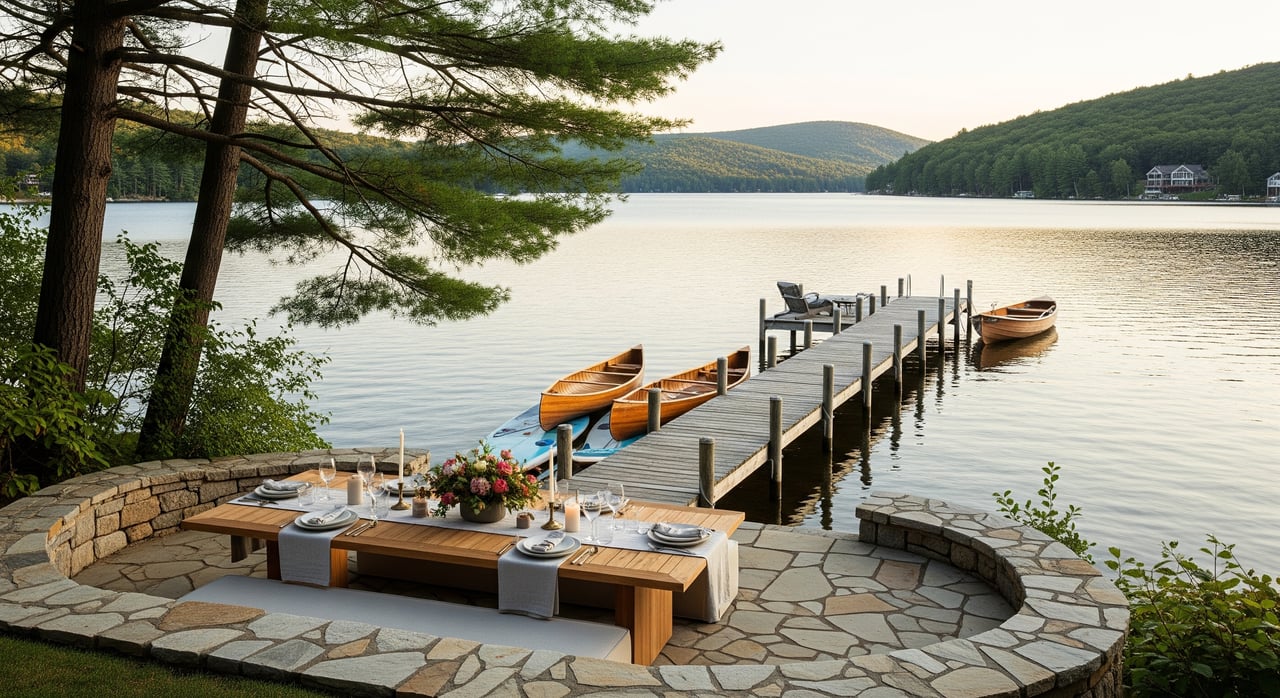
Thinking about making Lake Harmony your home base in the Poconos? You are not alone. Buyers love the mix of quiet lake life, easy access to outdoor recreation, and a relaxed dining scene that feels like vacation all year. In this guide, you will learn how lake access works, what to know about boating and fishing rules, where to find dining, and how seasonality can affect your day-to-day living and long-term plans. Let’s dive in.
Lake Harmony at a glance
Lake Harmony sits in Carbon County in Pennsylvania’s Pocono Mountains. The community centers around the lake itself, with peak seasons in summer and winter. Summer brings swimming, paddling, and boating. Winter draws skiers and riders to nearby mountains, along with snow tubing and other cold-weather fun.
For real estate, buyers often compare three types of homes: true waterfront, homes with deeded or association access, and homes with no access. The difference matters for lifestyle, rental potential, and resale value. Rules and costs vary by property and by association, so plan to verify details early in your search.
Lake access types explained
Not all Lake Harmony homes have the same rights on the water. Here are the common types of access you will see:
Private waterfront ownership
- Direct access from your lot to the lake.
- May include a private dock or mooring, subject to permits and association rules.
- Typically the highest value and the highest ongoing responsibility.
Deeded or association access
- Non-waterfront homes with shared rights to a beach, dock, or boat launch.
- Use may require association membership, fees, and adherence to rules.
- Guest policies and parking vary. Confirm specifics with the association.
Resort or commercial access
- Some local resorts or marinas offer beaches, rentals, or amenities to guests.
- Policies can change seasonally. Confirm current access rules, hours, and fees with the operator.
Public access points
- Availability is not guaranteed. Confirm any public ramps or parking with the appropriate municipality before you plan to launch or store a trailer.
What to verify before you buy
Before you write an offer, ask targeted questions and request documentation. A little due diligence goes a long way.
- Deed and rights: Do you have waterfront ownership, deeded access, or only a view? Are riparian rights included in writing?
- HOA or lake association: What are the dues, use rules, and guest policies? Are there boat size or horsepower limits? How are violations handled?
- Dock and mooring: Are docks allowed? What permits are required? Are there waitlists or seasonal schedules for installation and removal?
- Parking and trailers: Are there restrictions on trailer parking or guest vehicles near the access points?
- Septic and utilities: If the home uses a well and septic, confirm capacity, inspection requirements at sale, and any upgrade mandates.
Boating, fishing, and safety rules
Pennsylvania boating and fishing are regulated statewide, with additional local controls on many lakes.
- Boating compliance: Registration, safety education, and required equipment are set by the Pennsylvania Fish & Boat Commission (PFBC). Check current PFBC rules for operator age limits, life jacket requirements, and personal watercraft guidance.
- Local lake rules: Slow-no-wake zones, speed restrictions, and horsepower limits may apply. Review the lake association’s rules and any township ordinances before you launch.
- Fishing seasons: Species seasons, size, and creel limits come from PFBC and can change. Verify current regulations before you fish.
Tip: Always carry proof of registration, safety gear, and updated knowledge of local restrictions. Rules are enforced to protect everyone’s enjoyment and safety.
Water quality, HABs, and stewardship
Healthy lakes need informed neighbors. A few key points will help you protect the water you love.
- Harmful algal blooms: The Pennsylvania Department of Environmental Protection (PA DEP) and public health authorities provide guidance on identifying blooms and staying safe. Advisories can affect swimming and pet access. Check for updates during warm months.
- Invasive species: Clean, drain, and dry your boat and gear to prevent the spread of invasives. Follow PFBC best practices before moving between waterways.
- Shoreline care: Docks, seawalls, and shore stabilization can require permits. Be mindful of erosion control and runoff when you plan projects.
Dining and daily conveniences
Lake Harmony and nearby towns serve a mix of seasonal visitors and year-round residents. You will find:
- Casual lake-area taverns and eateries that pop during summer weekends.
- Full-service restaurants in resort settings and nearby village centers.
- Takeout and catering options that are helpful for vacation homes or group stays.
- Year-round grocery and essential services in surrounding communities.
Because hours and offerings change with the seasons, call ahead for current details. If a place looks busy in July, it might shift to limited hours in November. Regional tourism sites and verified business listings can help you track seasonal updates, outdoor seating policies, and reservations during peak weekends.
Nearby recreation highlights
You have four seasons of adventure within a short drive of Lake Harmony.
- Skiing and snow sports: Nearby ski areas, including Jack Frost and Big Boulder, offer skiing, riding, and snow tubing with varied terrain.
- State parks and trails: Hickory Run State Park features the famous boulder field and miles of trails. Lehigh Gorge State Park offers hiking, biking, and whitewater access. Beltzville State Park adds lakefront recreation within the regional network.
- Beyond the lake: Golf, mountain biking, zip-lines, horseback riding, and antique shopping in towns like Jim Thorpe keep calendars full year-round.
Check seasonal event calendars from local tourism sources for festivals, concerts, and holiday activities.
Short-term rental and zoning basics
Rules for rentals and property use are set locally, not by the county as a whole. That means:
- Short-term rentals: Registration, inspection, and occupancy taxes vary by township. Confirm the exact municipality for your property and review its requirements.
- Permits: Dock installs, shoreline work, additions, and renovations often need permits from the township and sometimes county or state agencies. Plan permit timelines into your project schedule.
- Septic and wells: Some municipalities require inspections at transfer. Capacity is key if you plan to host larger groups or convert to a rental.
Documenting compliance early avoids surprises at closing and protects resale value.
Costs beyond the mortgage
A lake lifestyle comes with ongoing costs. Budget for these line items from the start:
- HOA or association dues for lake maintenance, beaches, and common facilities.
- Dock fees, slip rentals, or mooring costs if available.
- Boat storage, trailer storage, and seasonal service.
- Insurance, including flood risk review using FEMA flood maps and guidance from your insurer.
- Maintenance: shoreline erosion control, dock repairs, septic pumping, and snow removal.
Even small annual items add up. A clear budget keeps your lake time focused on fun, not surprises.
Buyer checklist for lake access
Use this quick list during showings and agent consultations.
- Rights confirmed in writing: waterfront, deeded access, or none.
- Association packet: dues, rules, guest policies, and boat limits.
- Dock status: allowed, existing, permitted, and transferable.
- Parking: rules for trailers and guests at access points.
- Utilities and systems: well and septic capacity, inspection requirements.
- Local rules: township contacts for STRs, permits, and code enforcement.
Bring these questions to the table early to keep negotiations smooth and informed.
Seller tips for Lake Harmony homes
If you are preparing to sell, help buyers see the full value of your property.
- Gather documents: deeds, association rules, permits for docks or shoreline work, and any recent inspections.
- Clarify access: mark the path to shared beaches or docks and share parking rules.
- Highlight seasonality: showcase summer lake perks and proximity to winter sports.
- Prep for inspections: service septic, tidy shoreline areas, and stage outdoor spaces for showings.
A well-documented property reduces buyer friction and can support stronger offers.
How Kelly Realty Group can help
You deserve local expertise with professional systems. Our team serves the broader Poconos market with dedicated buyer agents, listing specialists, and a deep network of local partners. We guide you through access rules, association documents, and permit questions so you can make confident decisions.
Whether you are buying a waterfront retreat, evaluating a home with deeded access, or preparing to sell, we bring the process, marketing, and negotiation strength needed for smooth results. Ready to talk strategy and next steps? Connect with Kelly Realty Group to schedule your free Poconos market consultation.
FAQs
How does lake access work in Lake Harmony?
- Access depends on your deed and association membership. Homes may be true waterfront, have deeded or HOA access to shared facilities, or have no access. Always verify rights and rules in writing.
What boats are allowed on Lake Harmony?
- State rules from the Pennsylvania Fish & Boat Commission apply, and local associations may add speed, horsepower, or no‑wake limits. Confirm both sets of rules before you launch.
Is Lake Harmony suitable for year‑round living?
- Yes, many residents enjoy all four seasons. Summer focuses on the lake, and winter brings nearby skiing and snow sports. Dining and services operate on seasonal schedules, so plan ahead in shoulder months.
Are short‑term rentals allowed near Lake Harmony?
- Short‑term rental policies vary by township. Registration, inspections, and taxes may be required. Check the municipality where the property is located for current rules.
What ongoing costs should lake homeowners expect?
- Budget for HOA dues, dock or slip fees, boat storage and service, insurance and potential flood coverage, plus maintenance for shoreline, docks, septic, and winter snow removal.